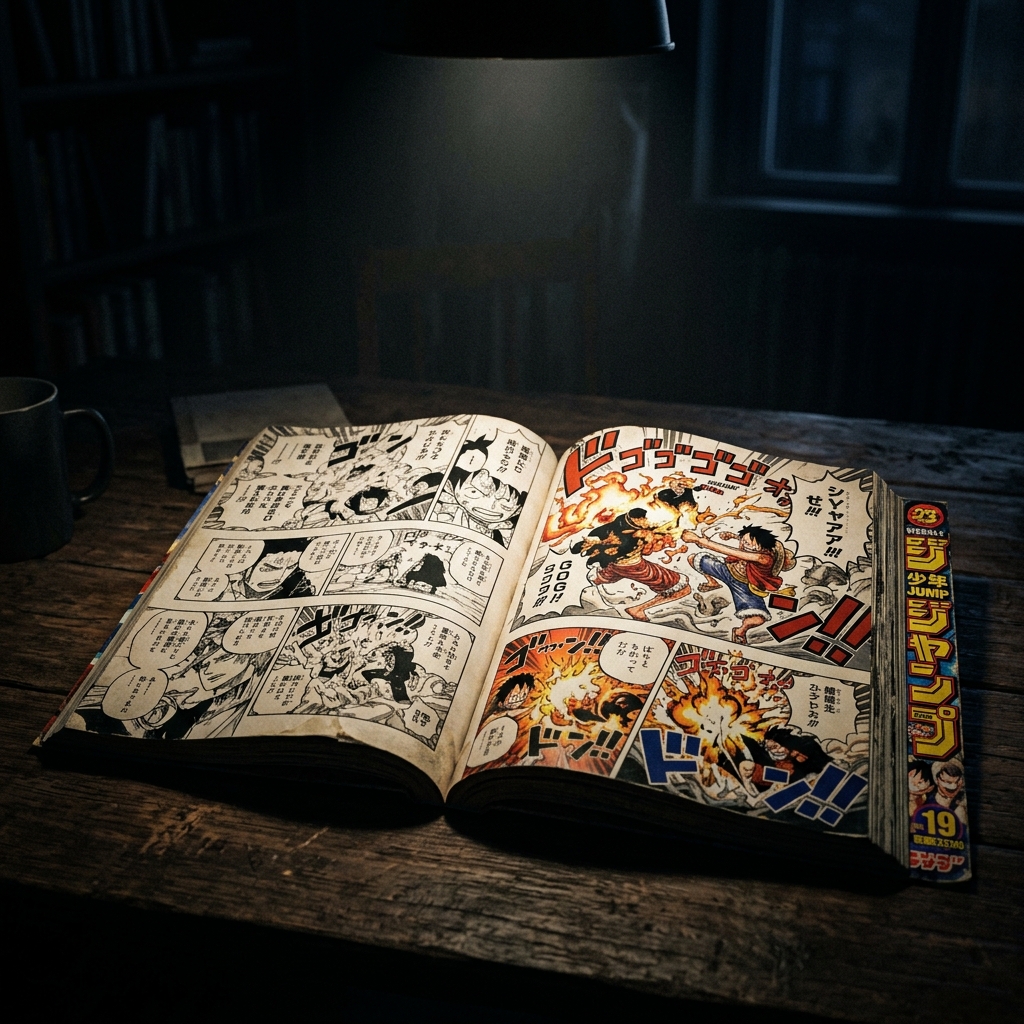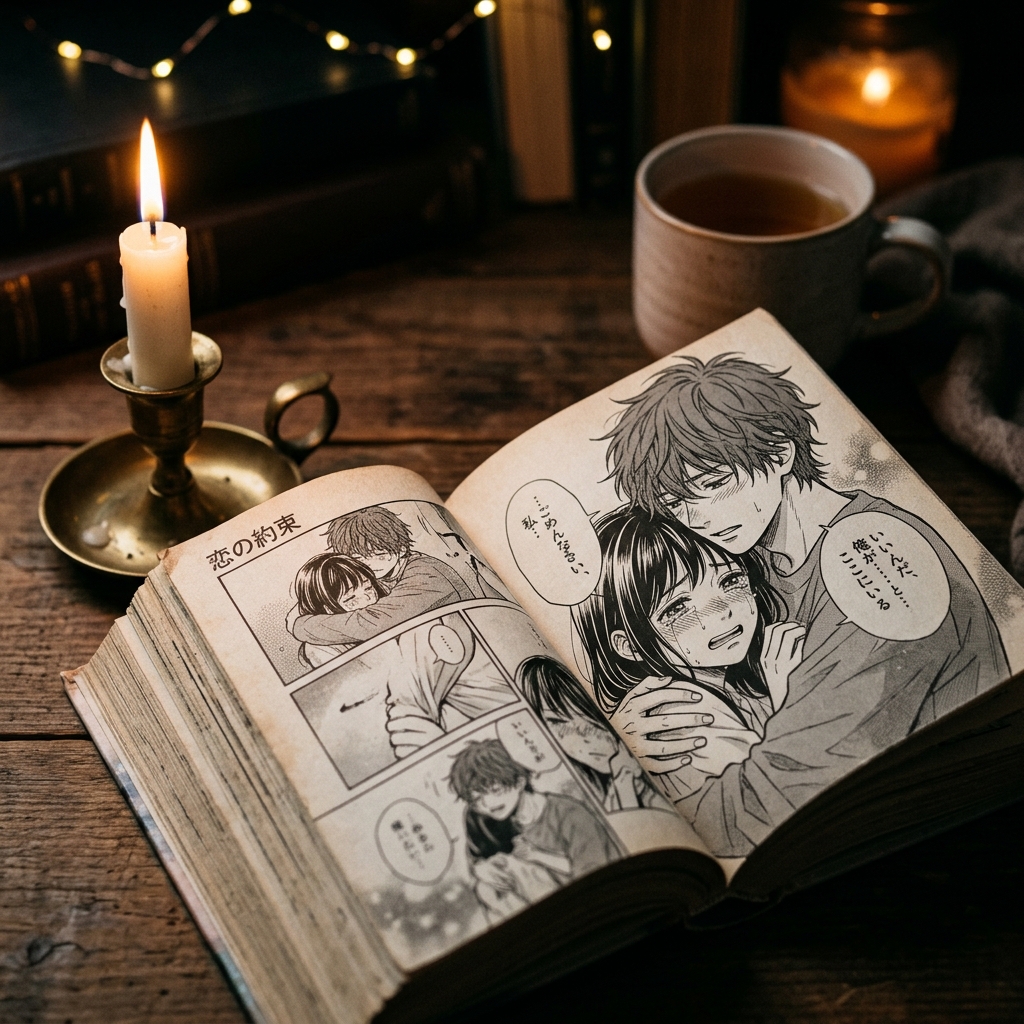
There are four main demographic categories in manga: shounen (boys), shoujo (girls), seinen (adult men), josei (adult women). In terms of English-language coverage and fandom discussion, the distribution is roughly: shounen takes up most of the conversation, seinen gets mentioned when people want to seem sophisticated, shoujo is discussed occasionally, and josei almost never comes up.
This is not because josei manga is worse. It is because the licensing and distribution decisions made by Western publishers over the past 20 years have focused heavily on series with obvious mainstream crossover potential, and josei generally does not fit the categories that Western marketing departments were comfortable selling. Romance targeted at adult women gets filed as niche. Action and adventure targeted at teenage boys gets filed as mainstream. The categorization says more about the publishers than the work.
Nana, which ran in Cookie magazine from 2000 to 2009, is the clearest example of what josei can do. It is a story about two women named Nana who meet on a train and become roommates in Tokyo. One is trying to follow her boyfriend. The other is pursuing a career as a punk musician. The series spent years in the top five of manga sales charts in Japan. It was adapted into two films and a successful anime. It deals with friendship, romantic disappointment, ambition, and what people owe each other with more directness than most manga aimed at any demographic. The series is currently on indefinite hiatus due to the author Ai Yazawa experiencing serious health issues in 2009, which means it has been unfinished for going on sixteen years. Readers have been waiting that long. That is the kind of fandom loyalty that tends to develop around work that genuinely meant something to people.
Chihayafuru ran in BE LOVE magazine for 50 volumes and ended in 2022. It is about competitive karuta, a Japanese card game based on classical poetry, and it is one of the better sports manga of the last decade regardless of demographic label. The characters are specific, the competition is tense, and it handles its long-running love triangle without making it the only thing the series is about. It got two anime seasons and a live-action film. In Japan it is discussed as a major series. In Western fandom it is a cult favorite among people who tracked it down.
The licensing situation has improved somewhat. More josei titles have received English releases in the last five years than in the decade before that. But the gap between what exists in Japanese and what is available in English translation remains substantial, and the coverage gap in fandom writing is larger still.
If you have read through most of what is available in shounen and seinen and you are looking for something that assumes you are an adult and treats adult experience as interesting subject matter, josei is where to look. Start with Nana if you can handle an unfinished series. Start with Chihayafuru if you want something complete. Either way, expect to find something that is doing things the categories you already know are not doing.