A common complaint about anime adaptations goes roughly like this: the manga was better, the anime cut too much, the pacing is wrong, the art style changed. These complaints are often correct. They are also usually missing the part where the difficulty of adaptation is structural and not simply a matter of trying harder.
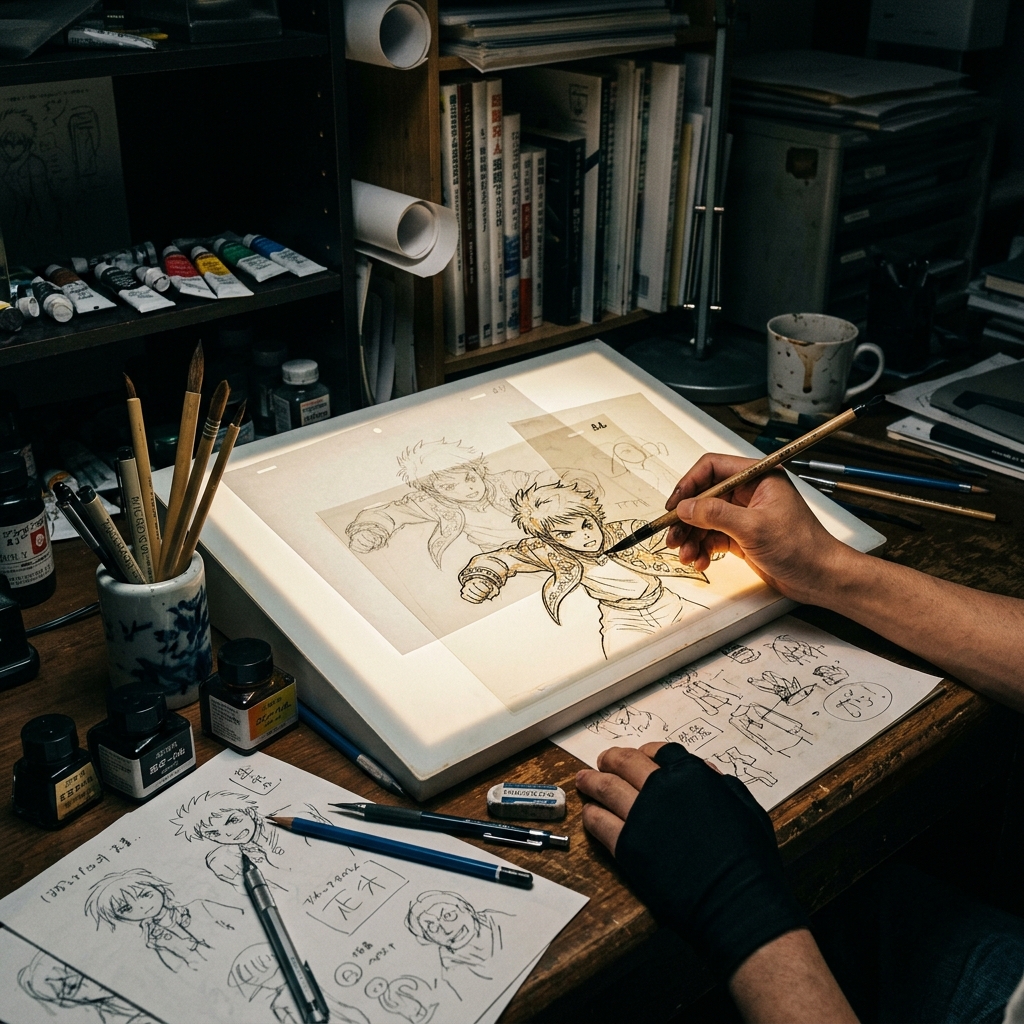
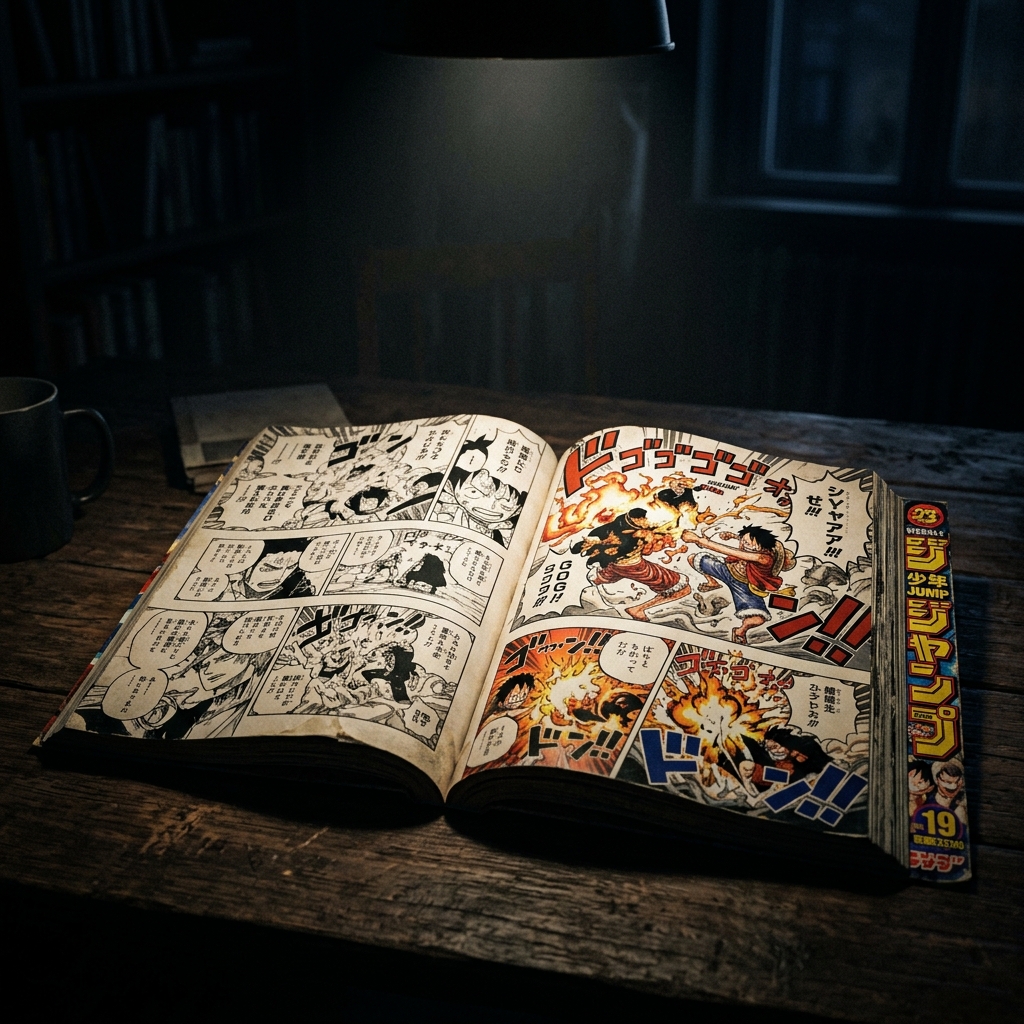
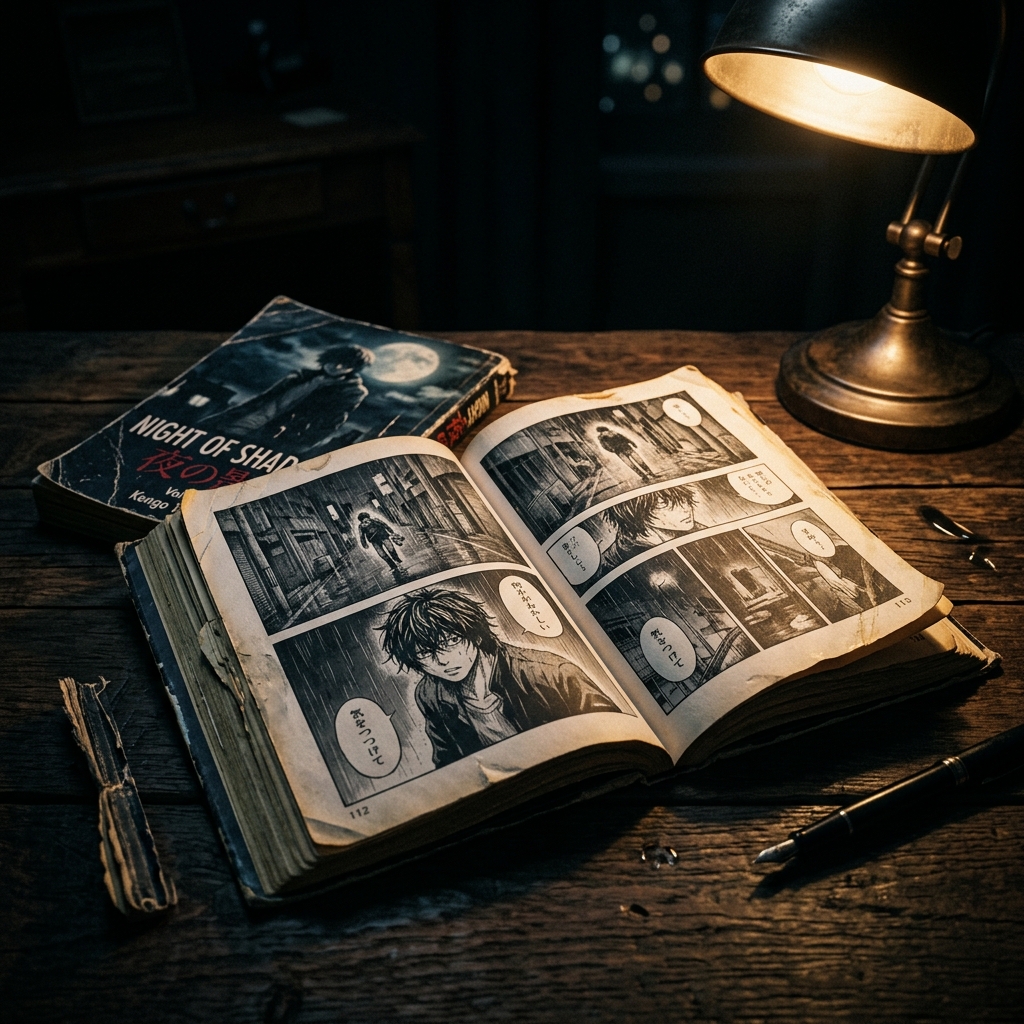
Manga tells stories through panels, and panels are static. A mangaka has complete control over how much time a reader spends on any given image, because the reader decides when to turn the page. A long action sequence can be stretched across many large panels or compressed into a grid of small ones. A quiet moment can get a full page. The pacing is entirely in the hands of the creator and the reader together.
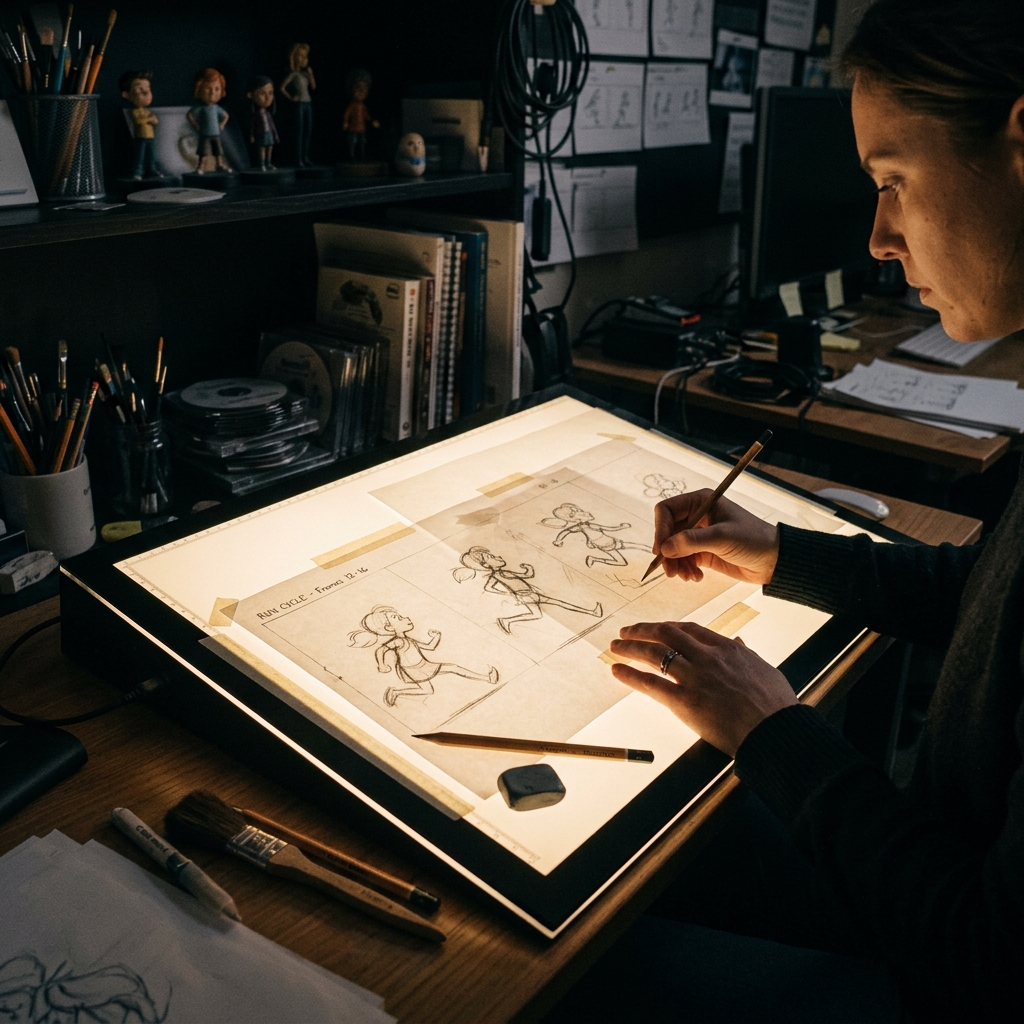
Anime runs in real time. An episode is roughly 22 minutes of content. The production team has to decide exactly how long every scene lasts, and those decisions are constrained by the episode count, which is usually decided before the scripts are written. A 12-episode season adapting a 120-chapter manga means roughly 10 chapters per episode, which is already a compression that requires cutting something. Which 10 percent gets cut is where most of the arguments start.
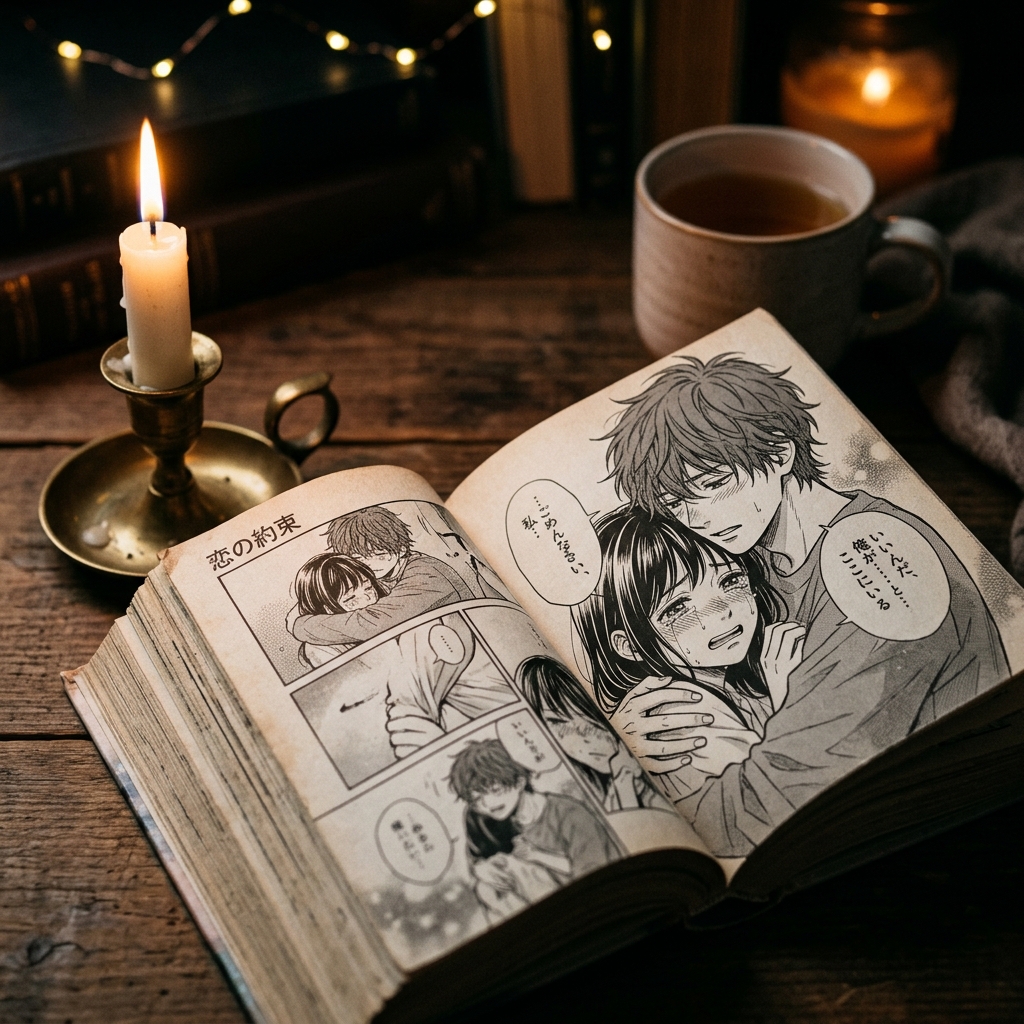
Internal monologue is the specific casualty that I think matters most. Manga can show a character thinking across several panels. The narration sits in boxes or floats over the image. The reader can pause. Anime has to decide whether to use voiceover, which sounds unnatural in long stretches, or to cut the internal narration and trust the visuals alone to convey what the character is feeling. Good directors can do this. It requires trusting the animators in ways that are harder than writing the monologue out.
Music is a compensating advantage that manga cannot replicate. A well-scored anime scene can carry emotional weight that the source material conveyed through pacing and silence. The Vinland Saga anime uses its score in the war sequences in ways that the manga simply cannot match because manga is a silent medium. This cuts both ways: anime can add something the manga never had, and it can also fill space with music that papers over a scene that was supposed to be genuinely quiet.
The series that adapt cleanly tend to share a few qualities. The source material is dense enough to fill episodes without excessive padding. The visual storytelling is specific rather than relying on internal narration. The story has a definite length rather than ongoing serialization that the anime has to cut off mid-story.
The series that adapt badly tend to be ongoing at time of adaptation, which forces the anime to either catch up to the manga and produce original content, or stop at an awkward point. Both options have failure modes that readers recognize immediately.
None of this excuses bad adaptations. It explains why adaptation is genuinely difficult work that requires different skills than the source material required. A good manga does not automatically produce a good anime any more than a good novel automatically produces a good film.